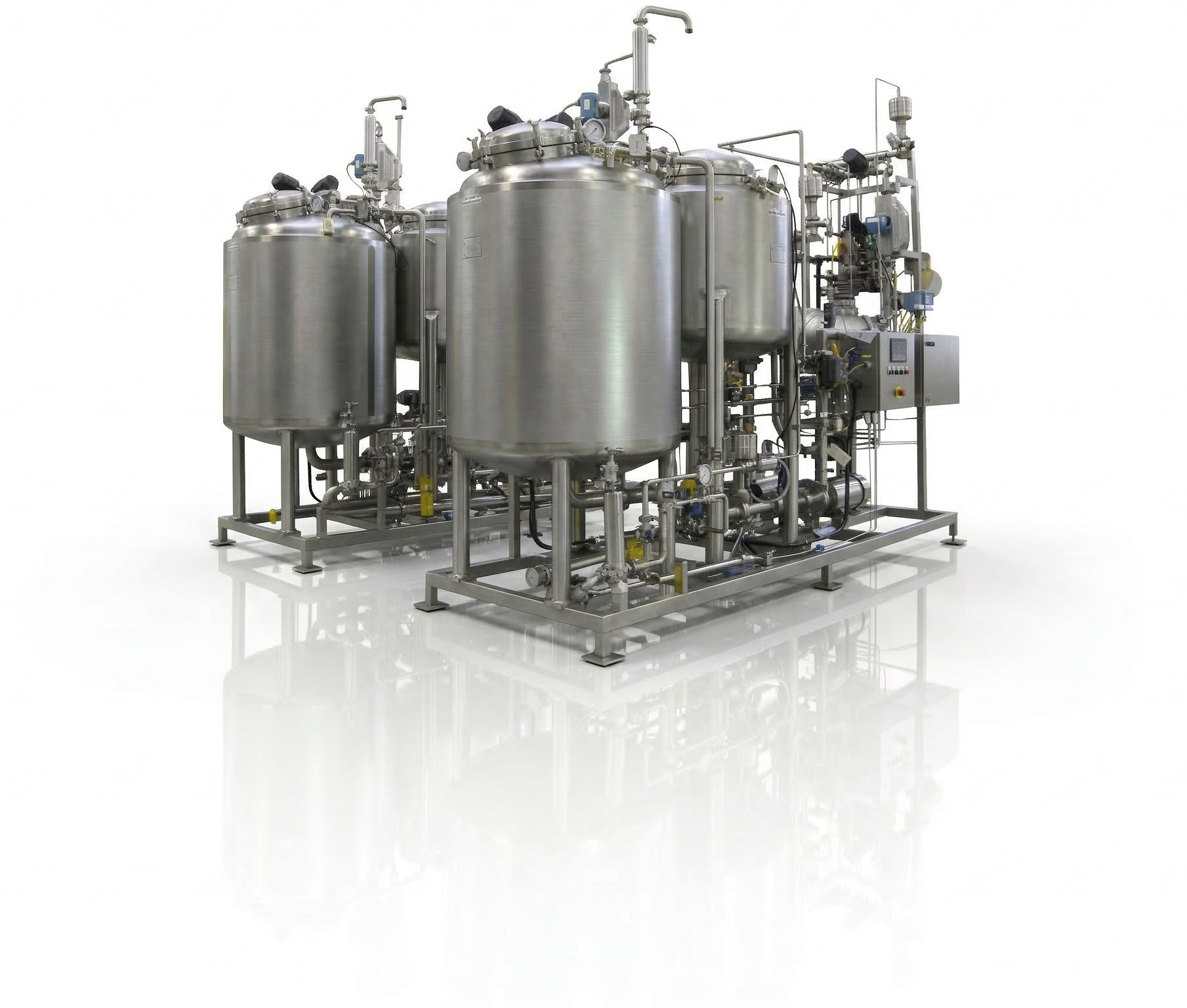

Clean-In-Place
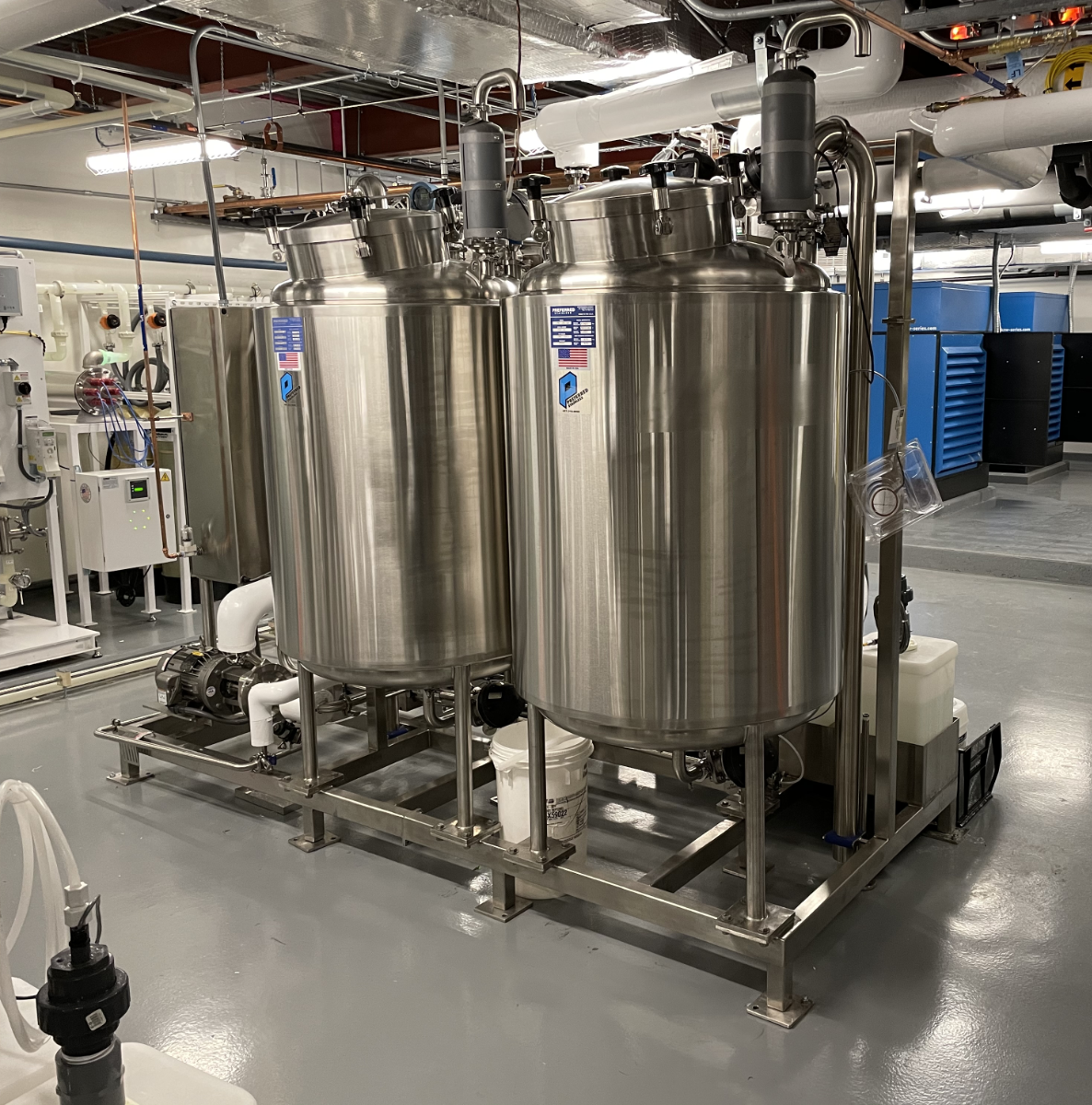
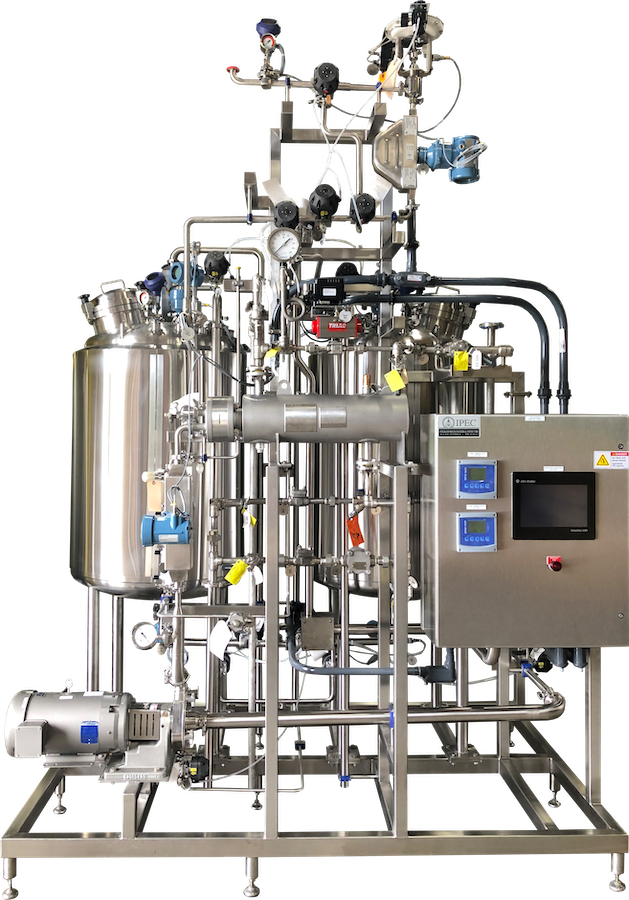
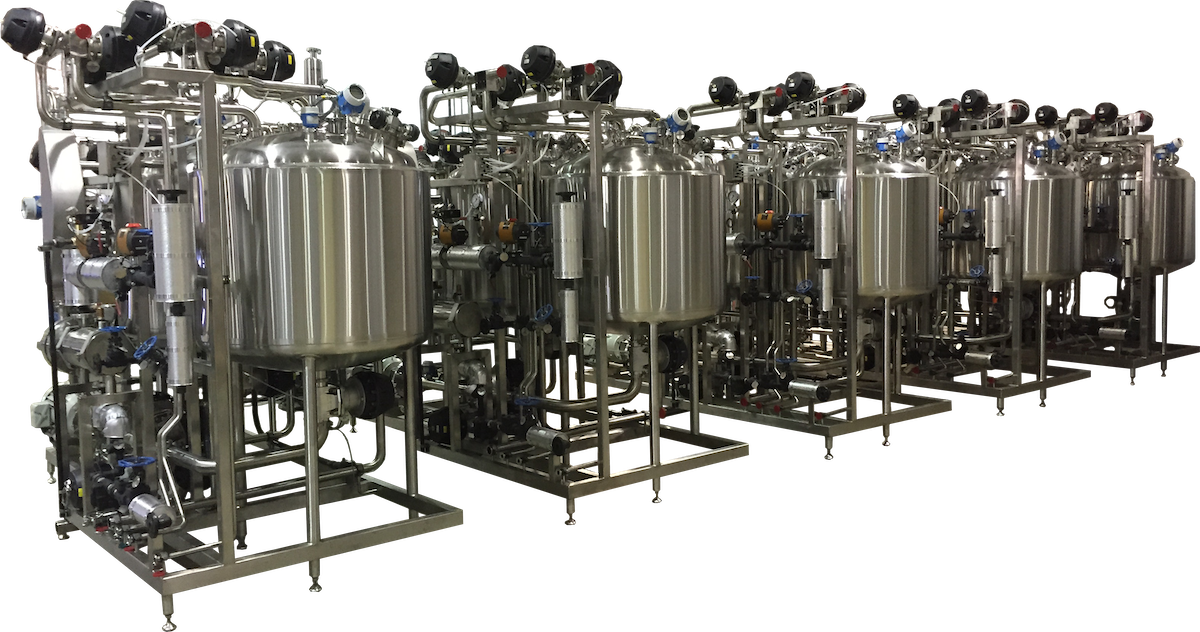
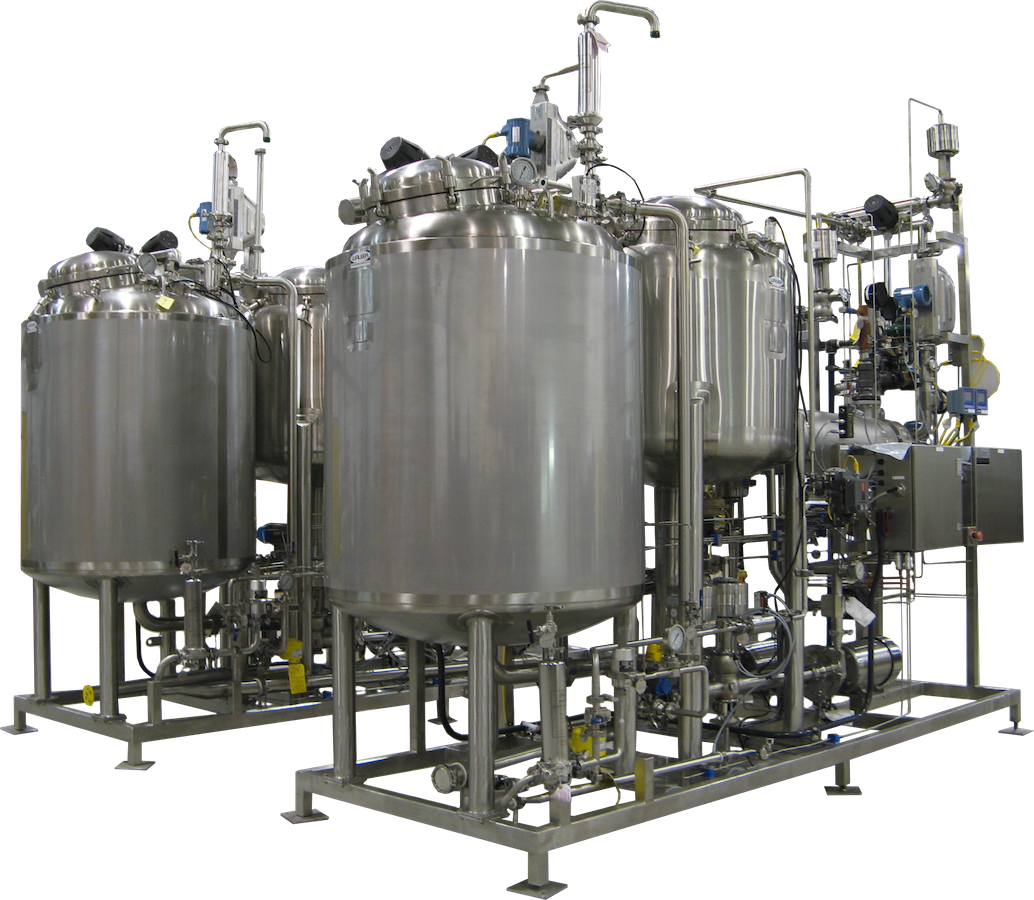
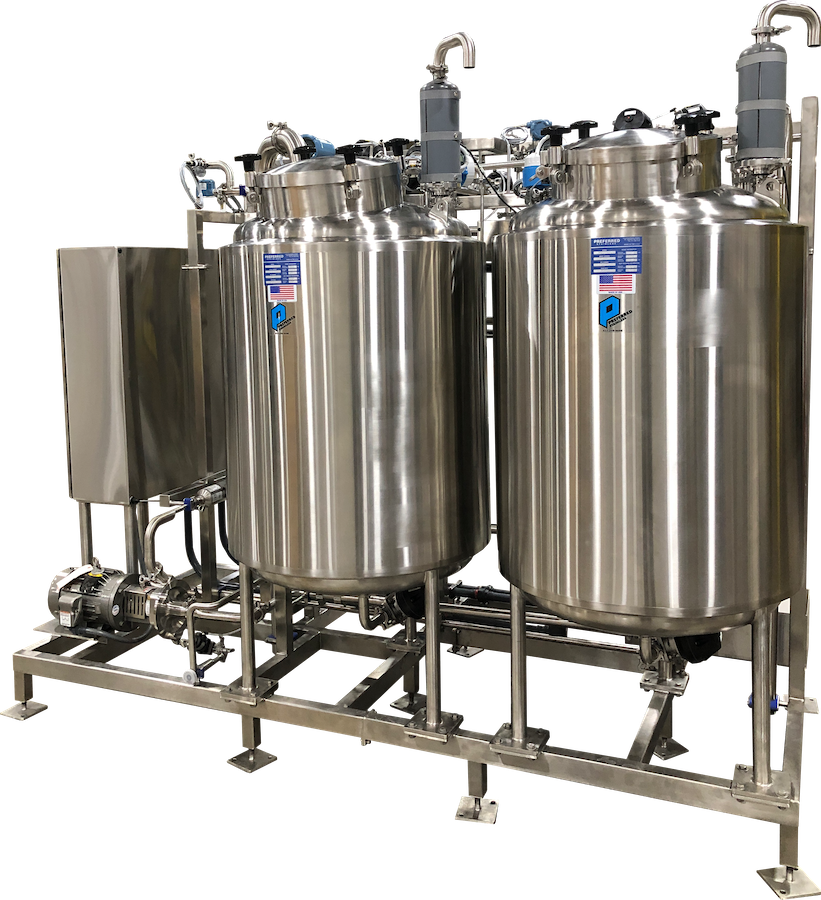
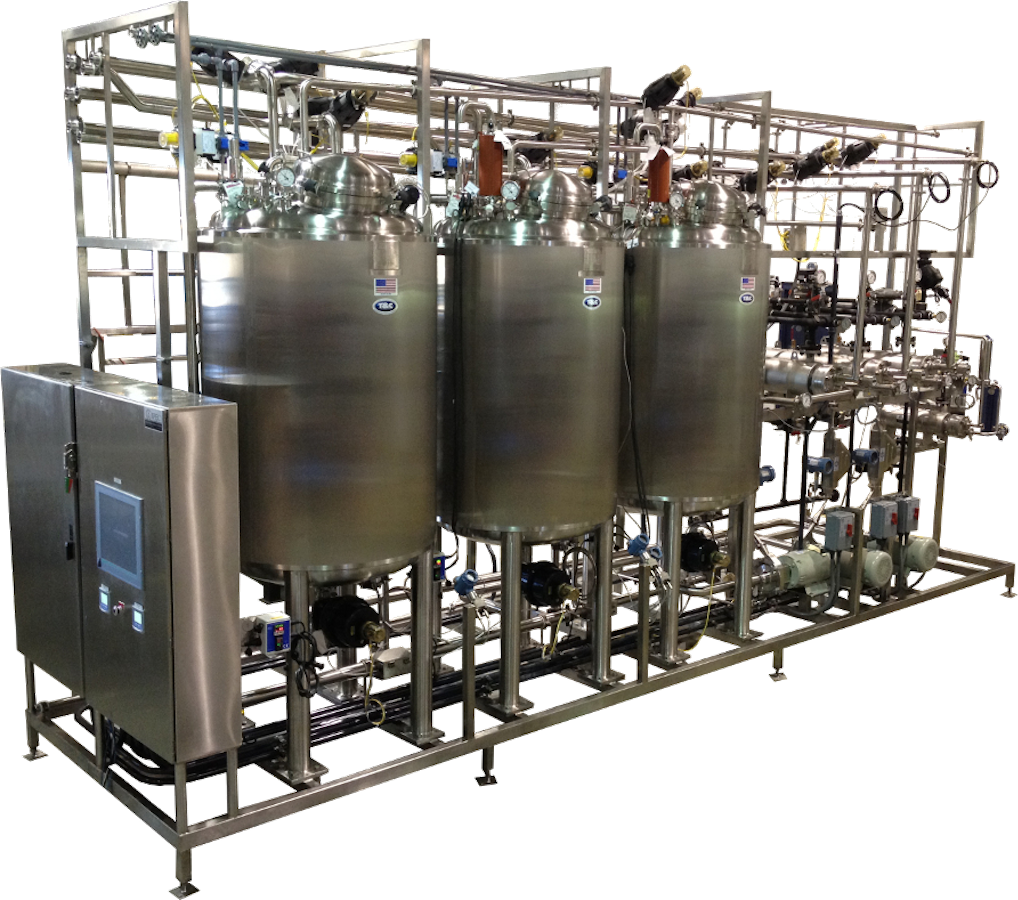
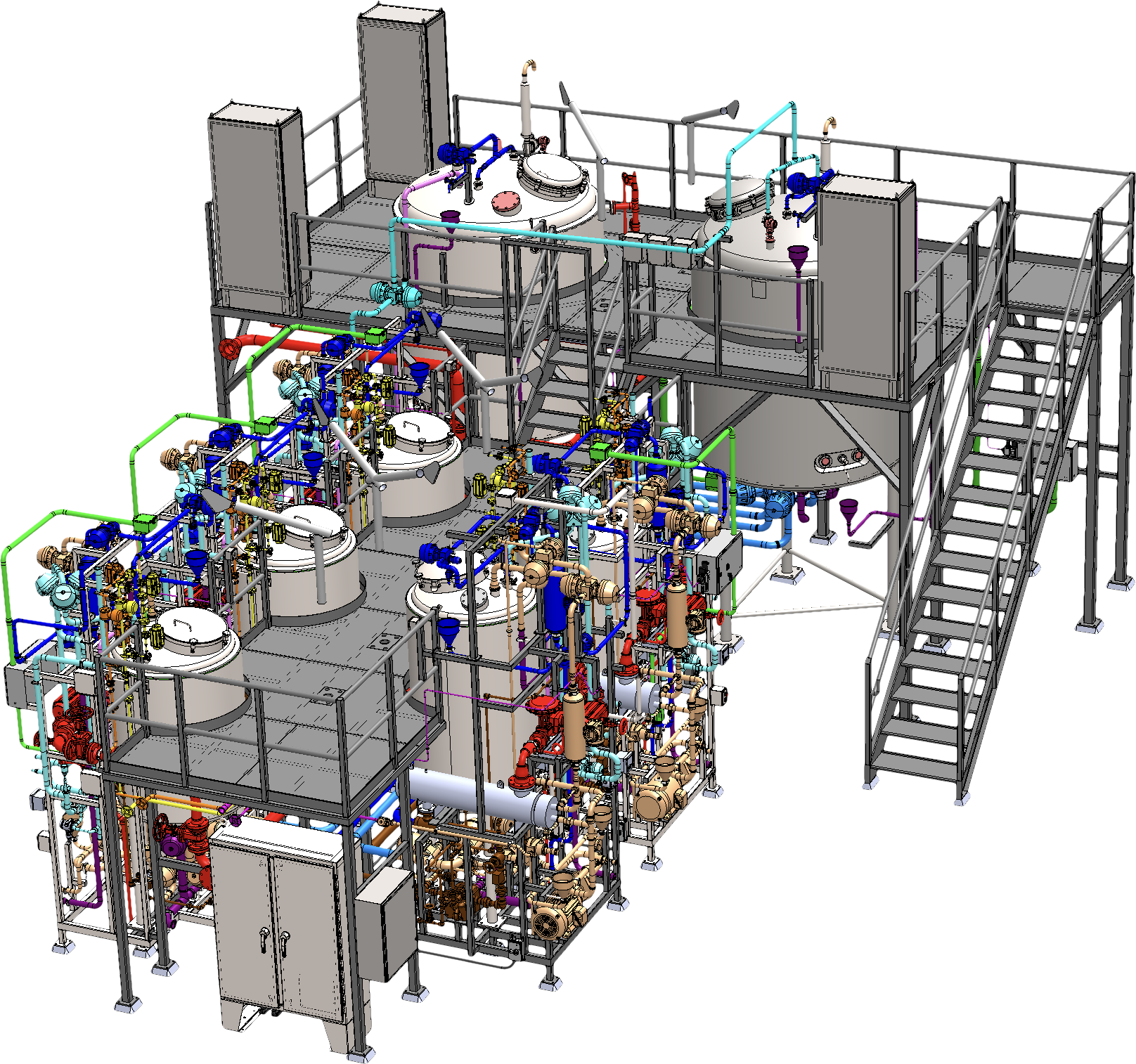
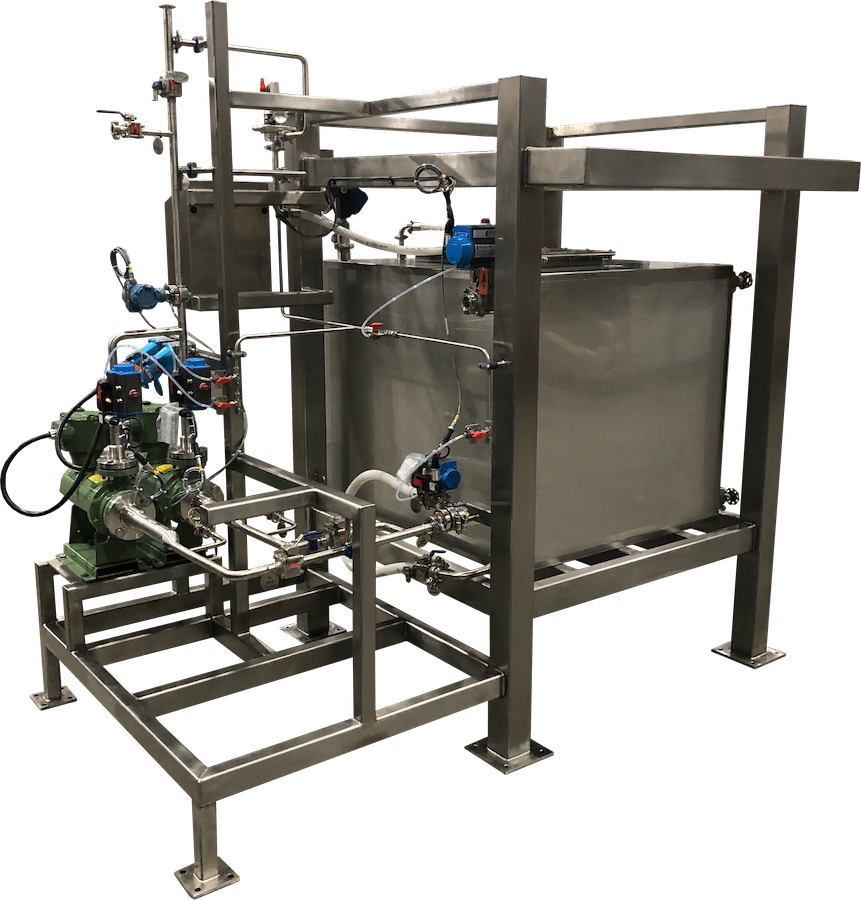
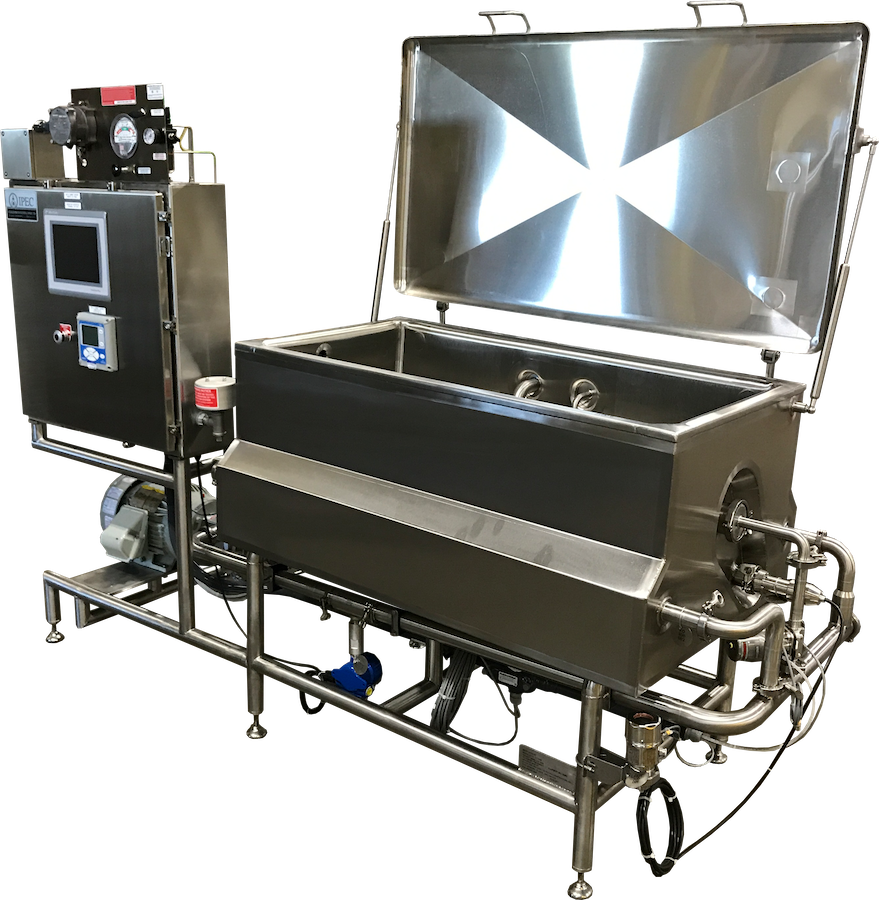
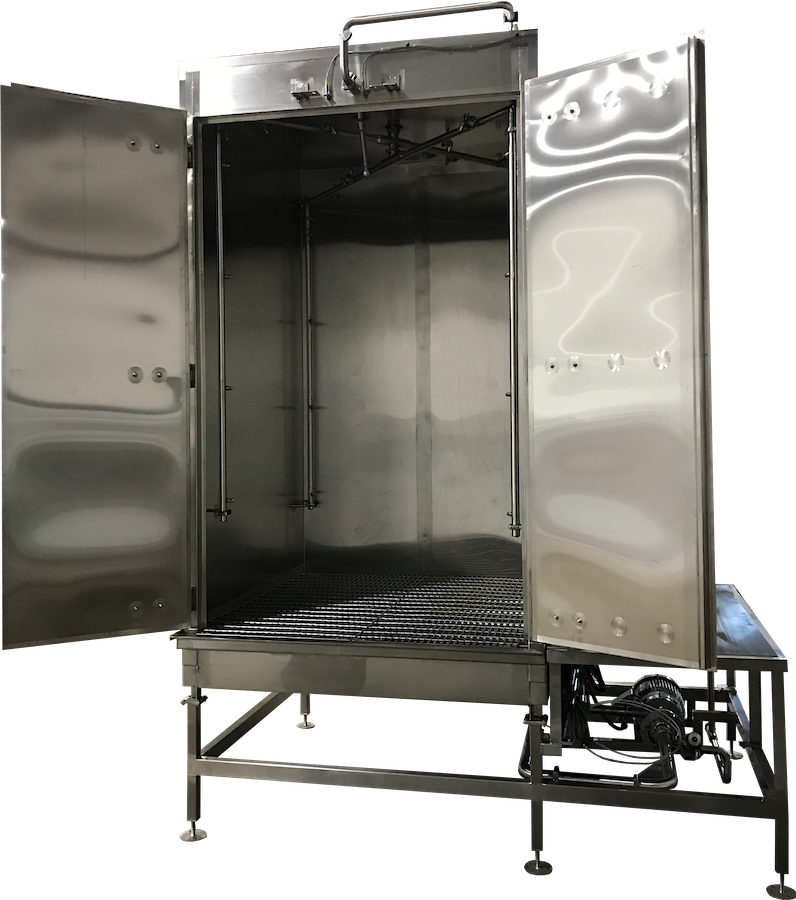
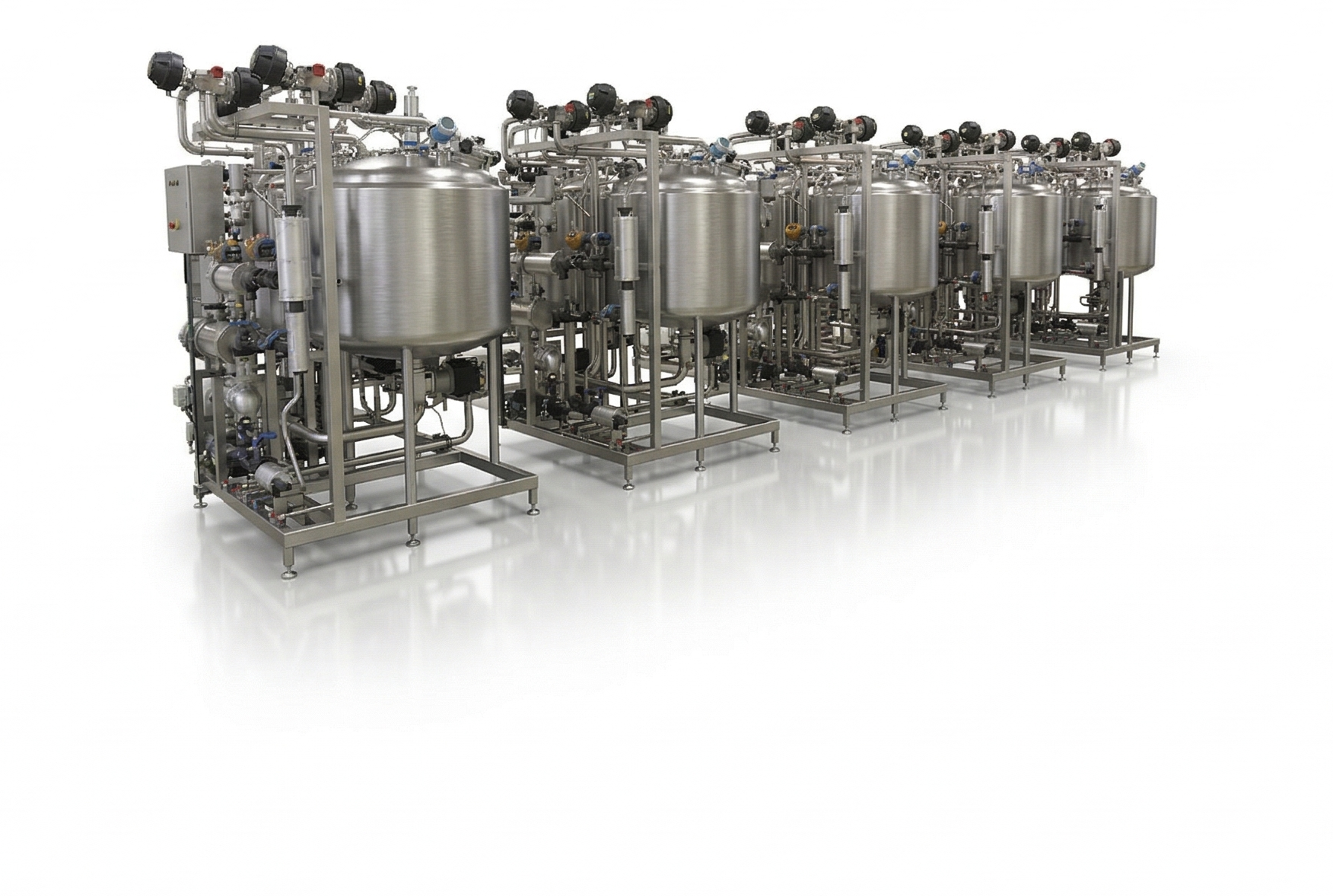
CIP vessels are sized based on process water supply rates, circuit volumes and consideration of downstream equipment. Additional wash or rinse recovery vessels can also be used to increase flexibility and reduce waste in cleaning operations.
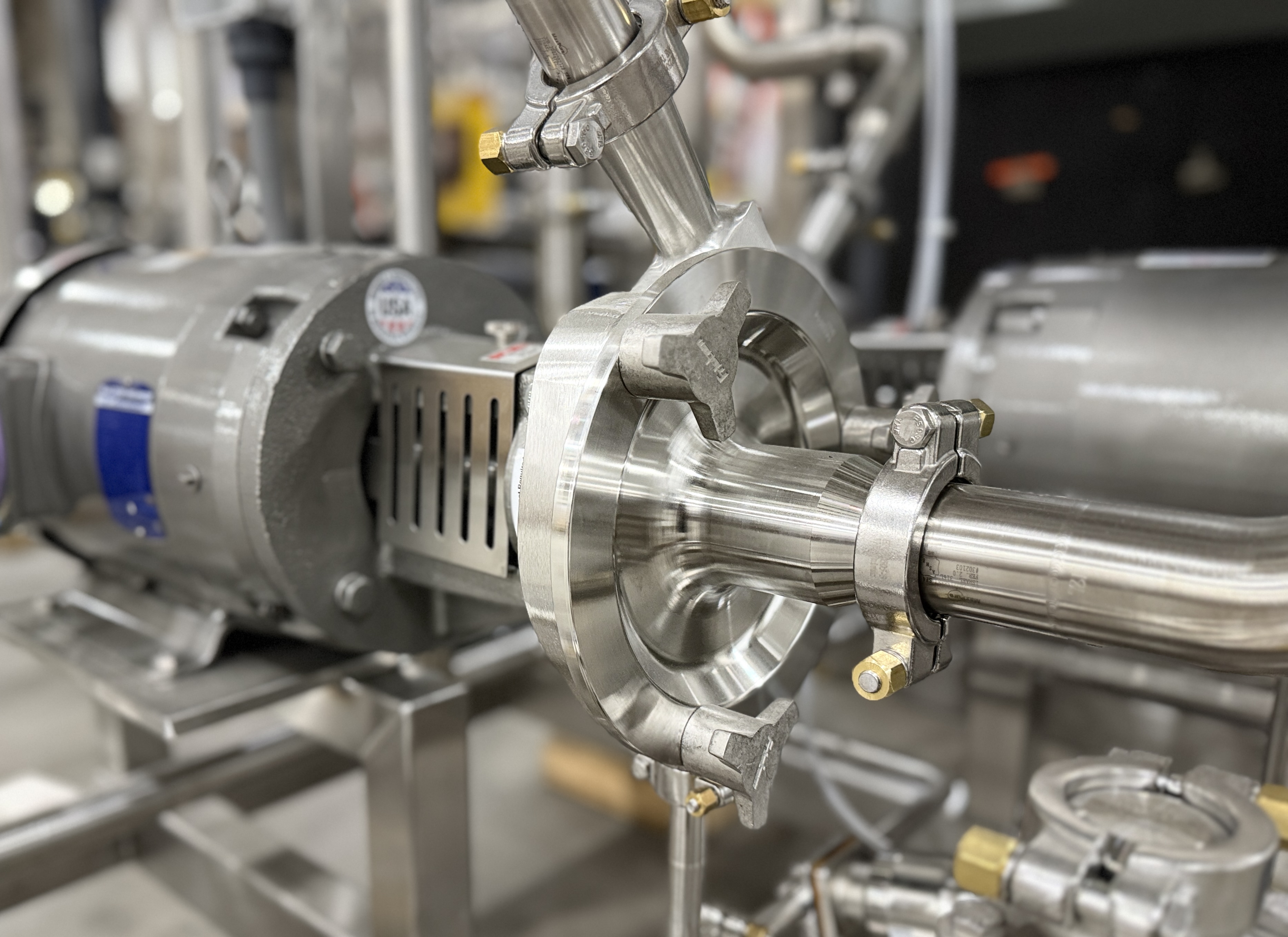
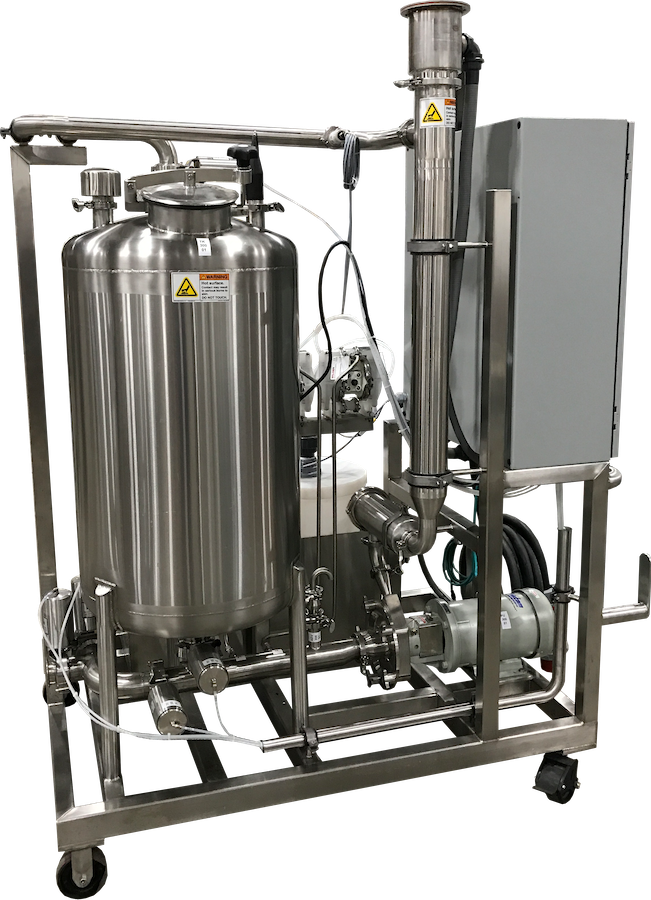
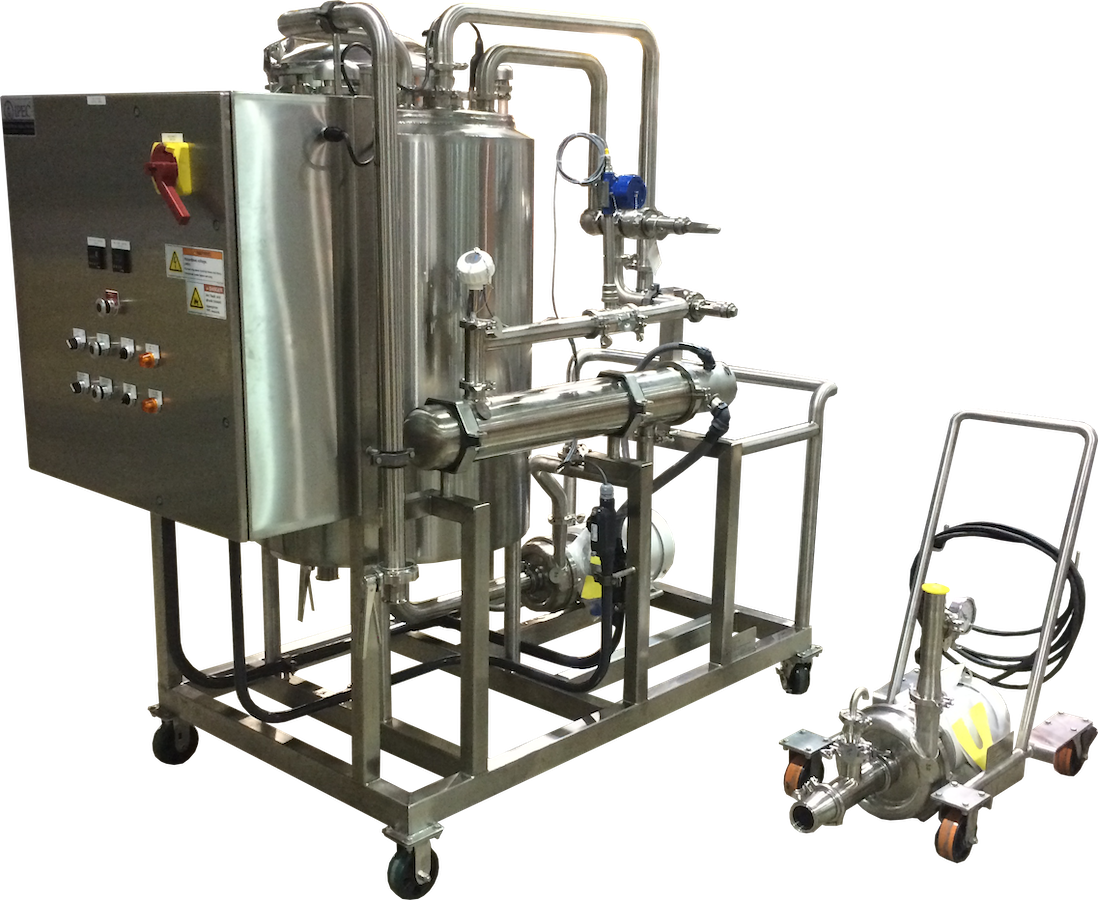
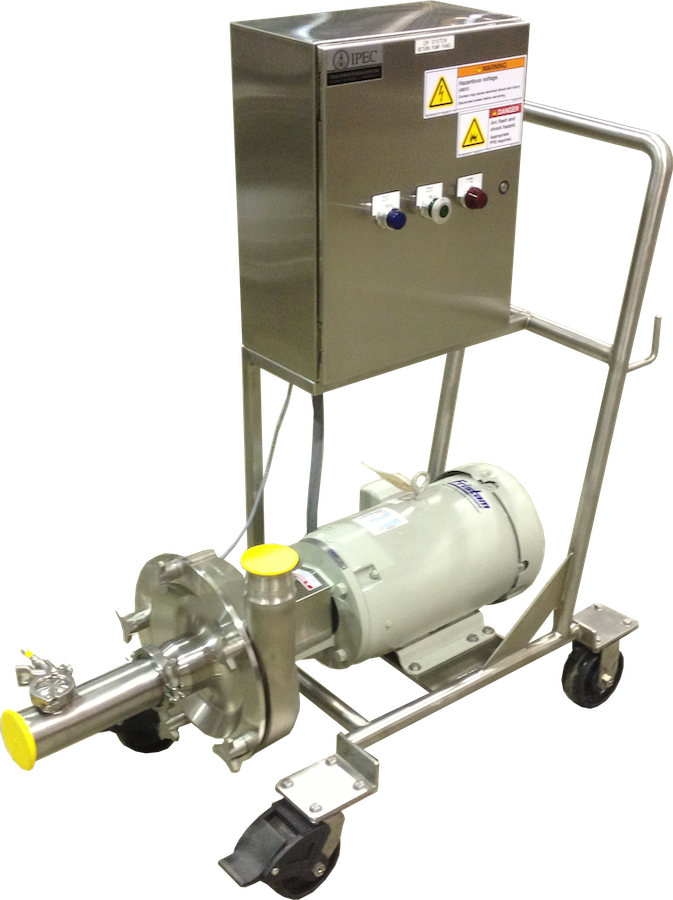
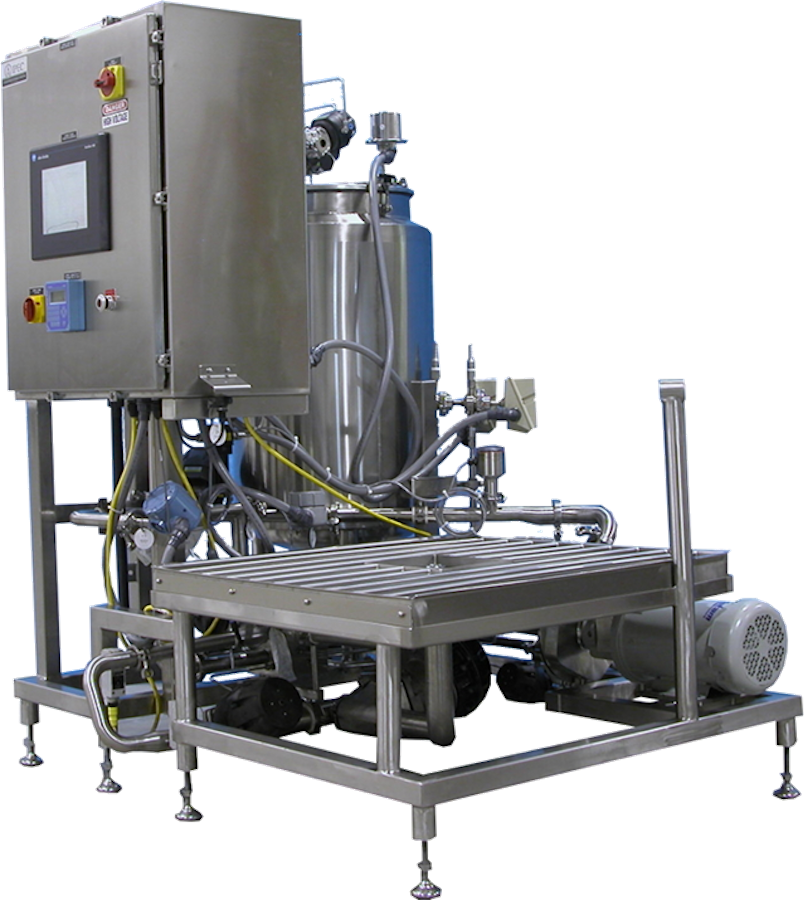
CIP supply pumps are selected to provide sufficient flow and pressure as dictated by downstream equipment. Return pumps circulate cleaning and rinse solutions back to the CIP system and may be configured as stationary or portable assemblies.
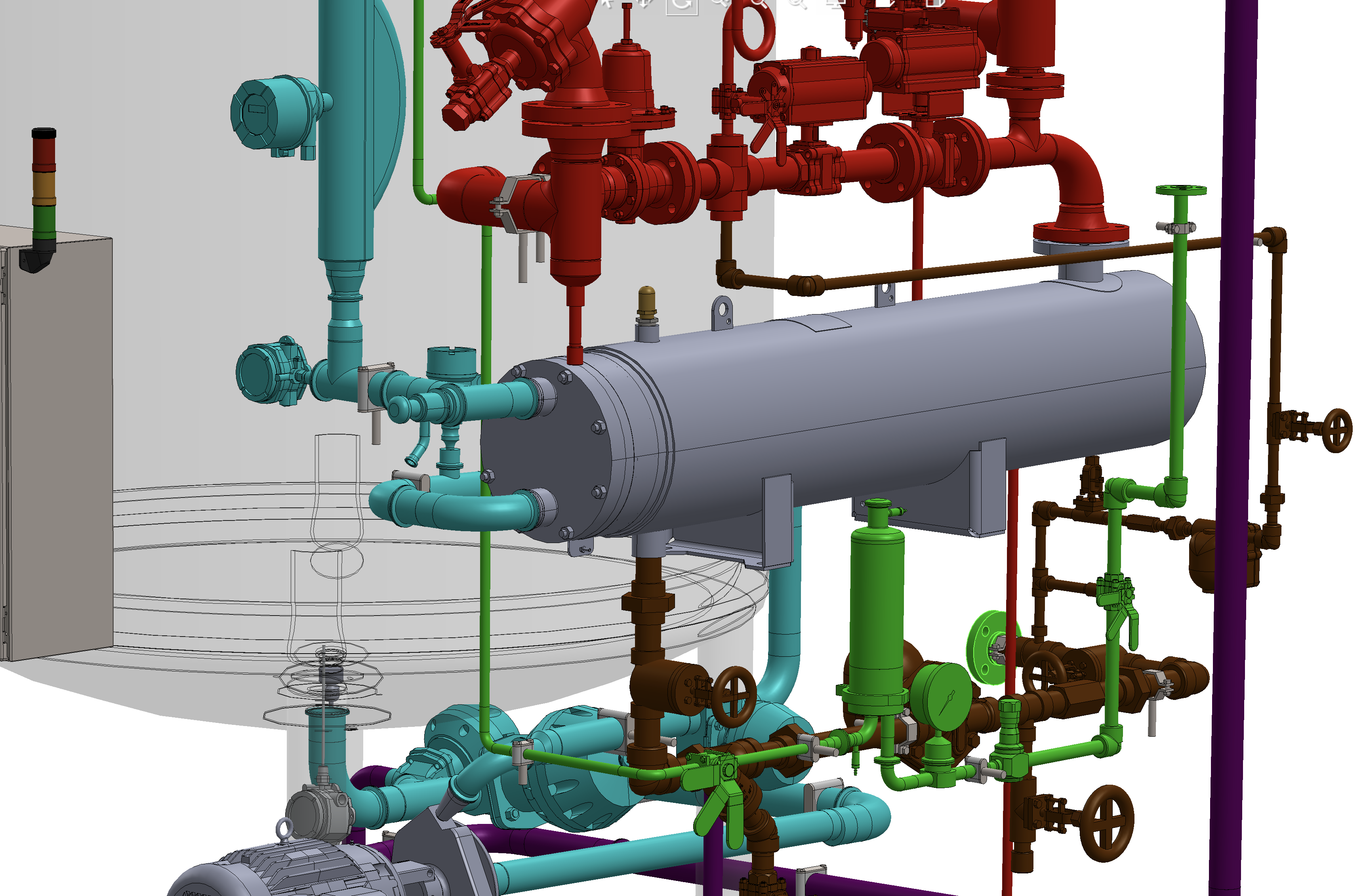
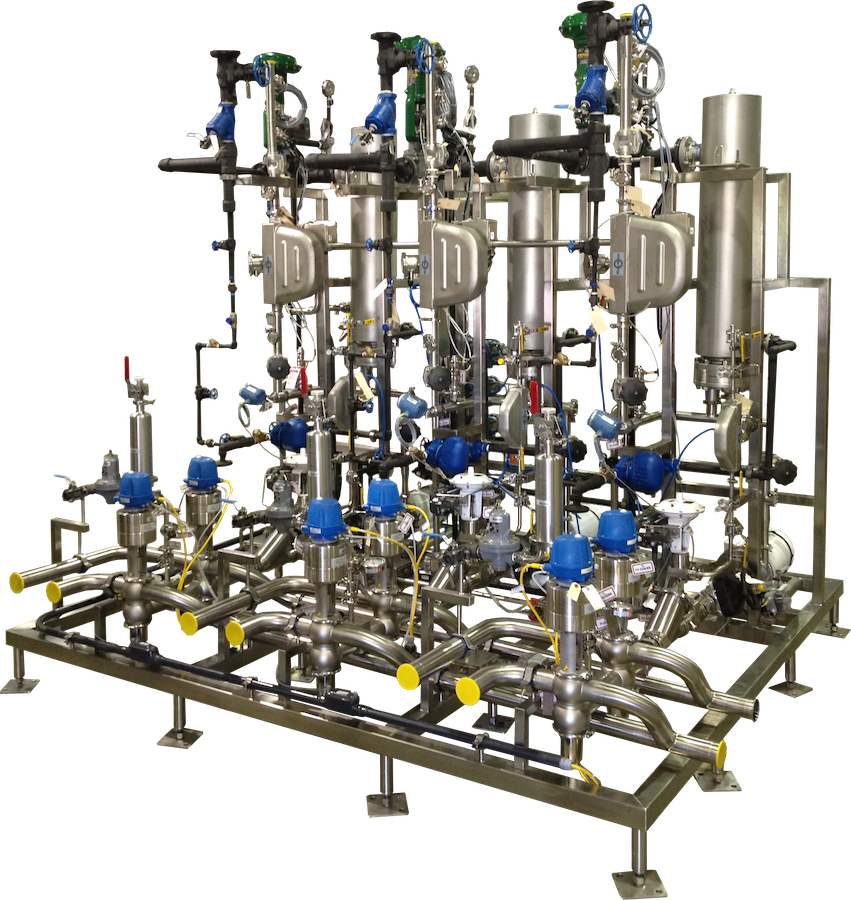
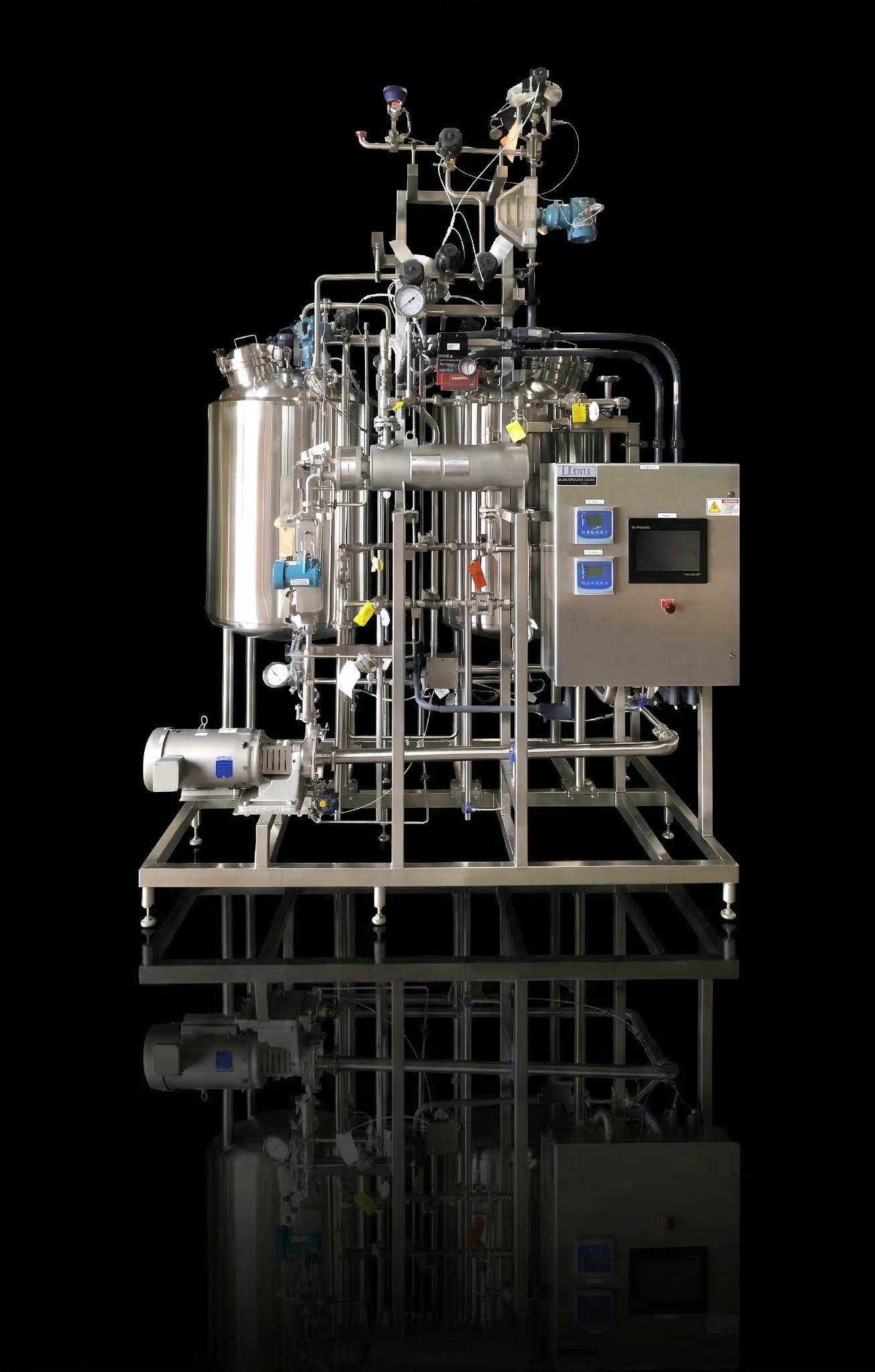
Heat exchangers adjust and maintain CIP solution temperatures as required to meet specification. Steam and electric options are available. Each heating system is custom-sized based on available utilities, required performance and governing standards.
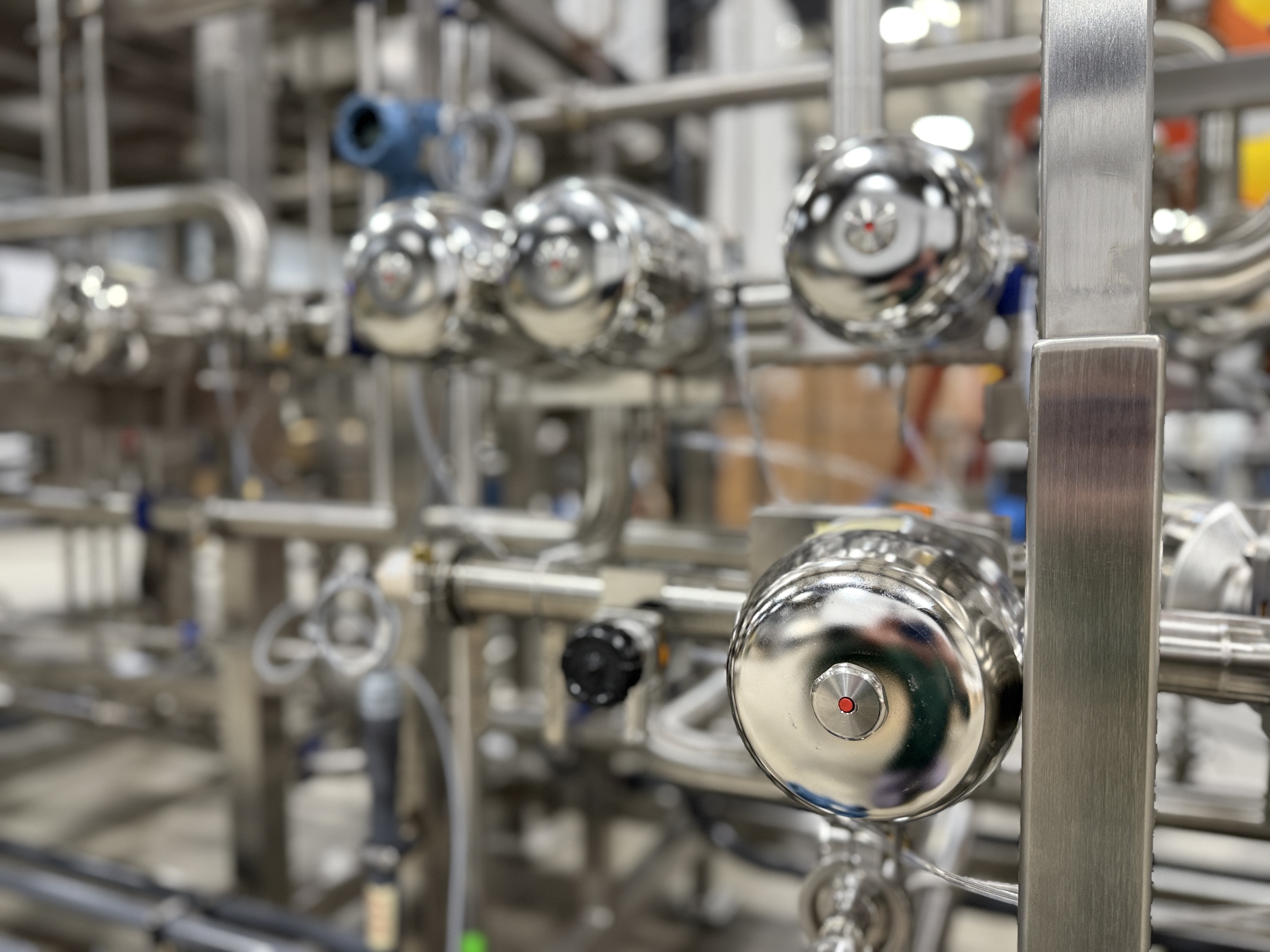
CIP valves can vary dramatically based on industry standards and customer preference. We review options for style, configuration and manufacturer to provide each customer an opportunity to evaluate their optimal solution.
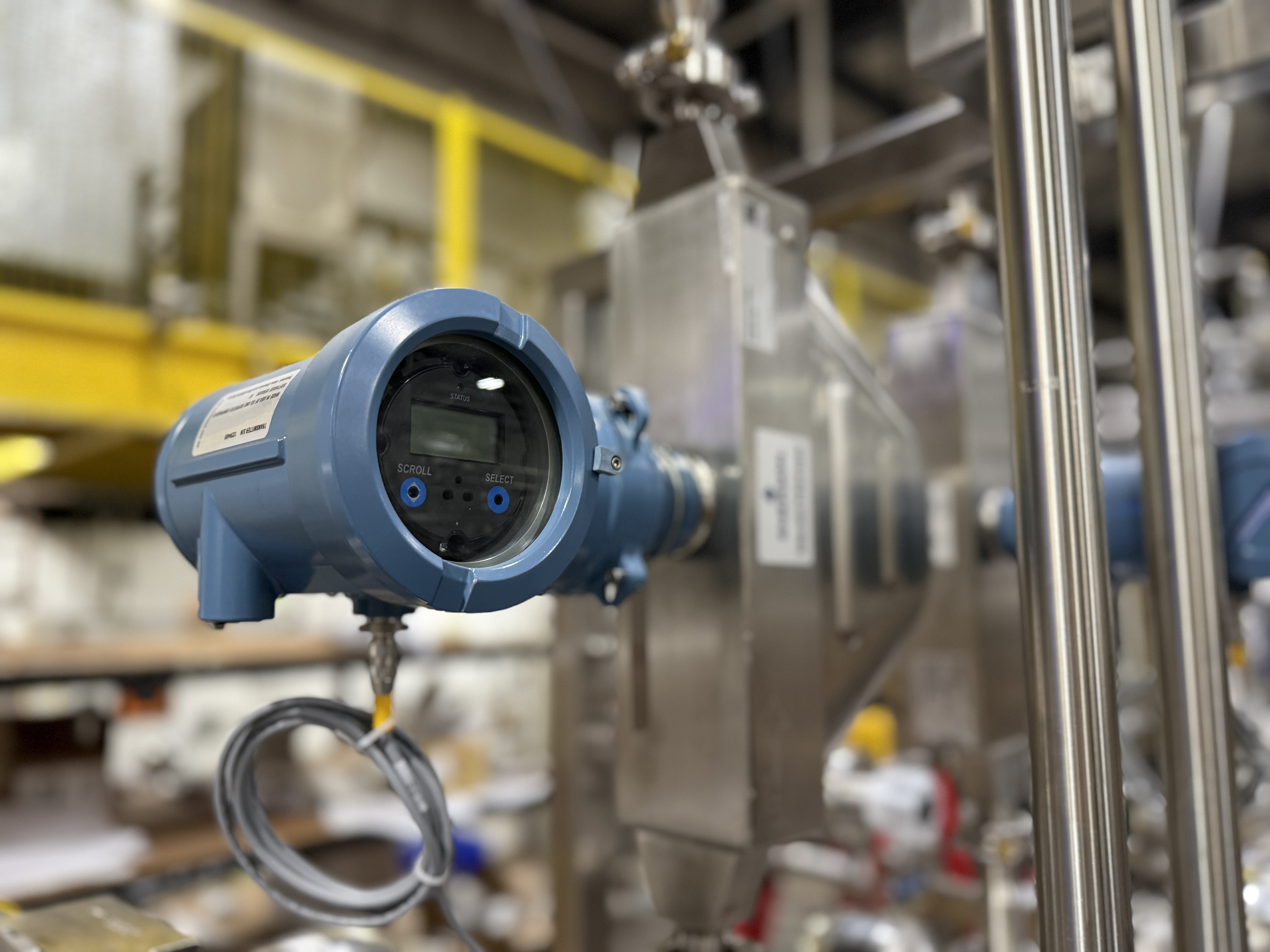
Flow meters and pressure sensors are used to monitor and control the supply of CIP solutions which are critical for system operation and validation.
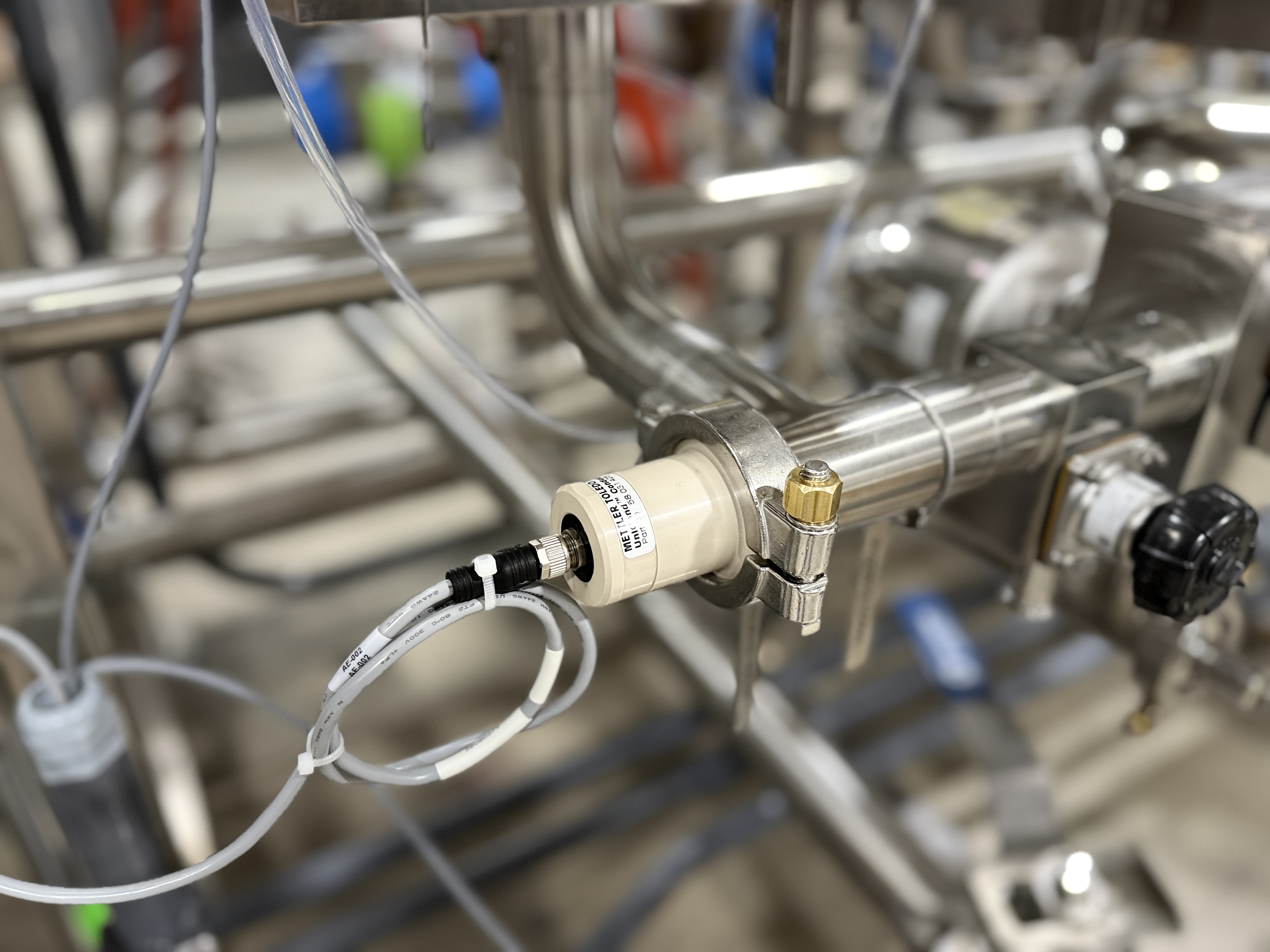
CIP systems typically utilize analytical instrumentation to verify detergent concentration, confirm rinses and monitor other parameters including conductivity, pH, and total organic carbon (TOC).
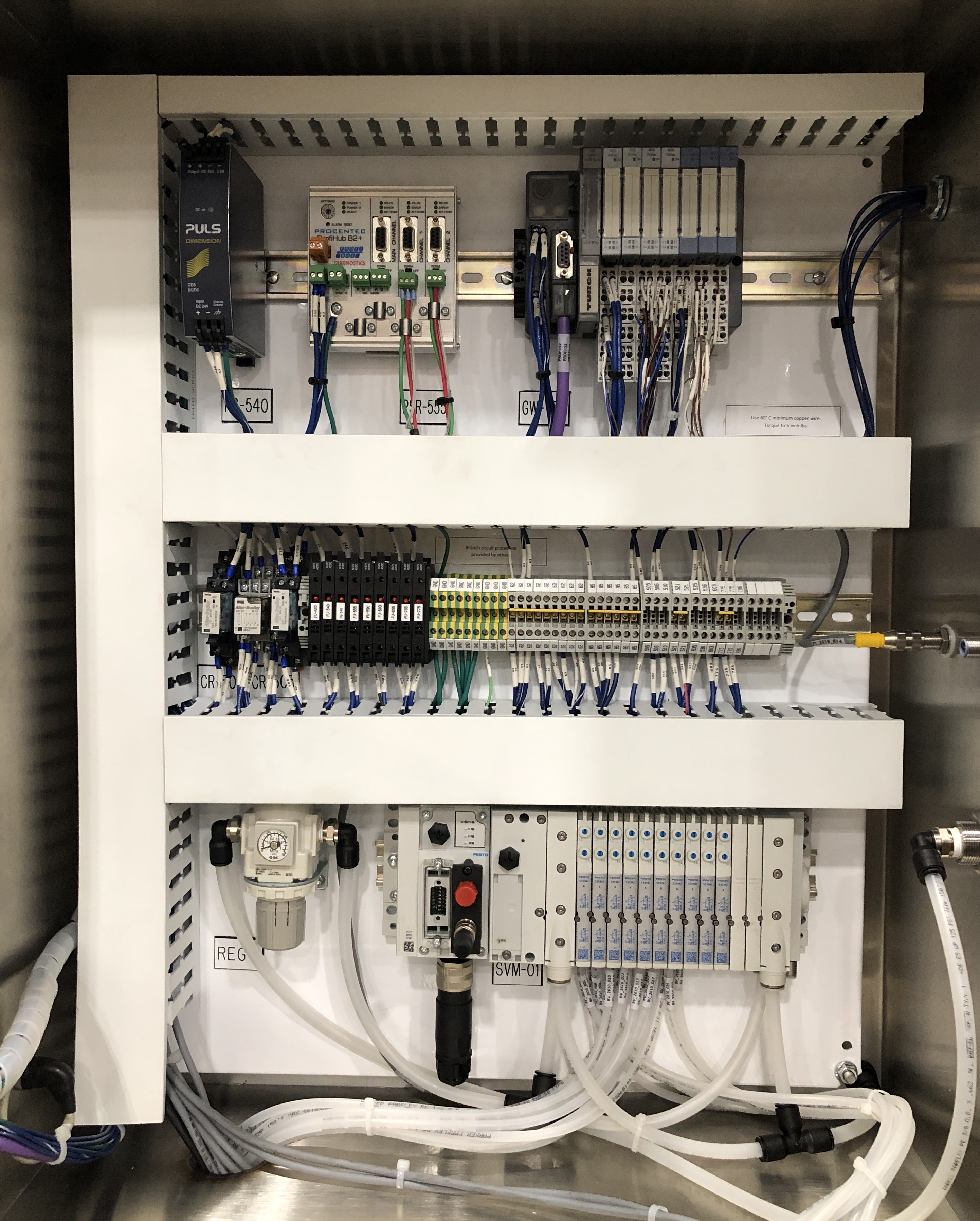
IPEC control systems are configured for the specific requirements of each project, utilizing customer-preferred components, communication protocols, hardware or software.
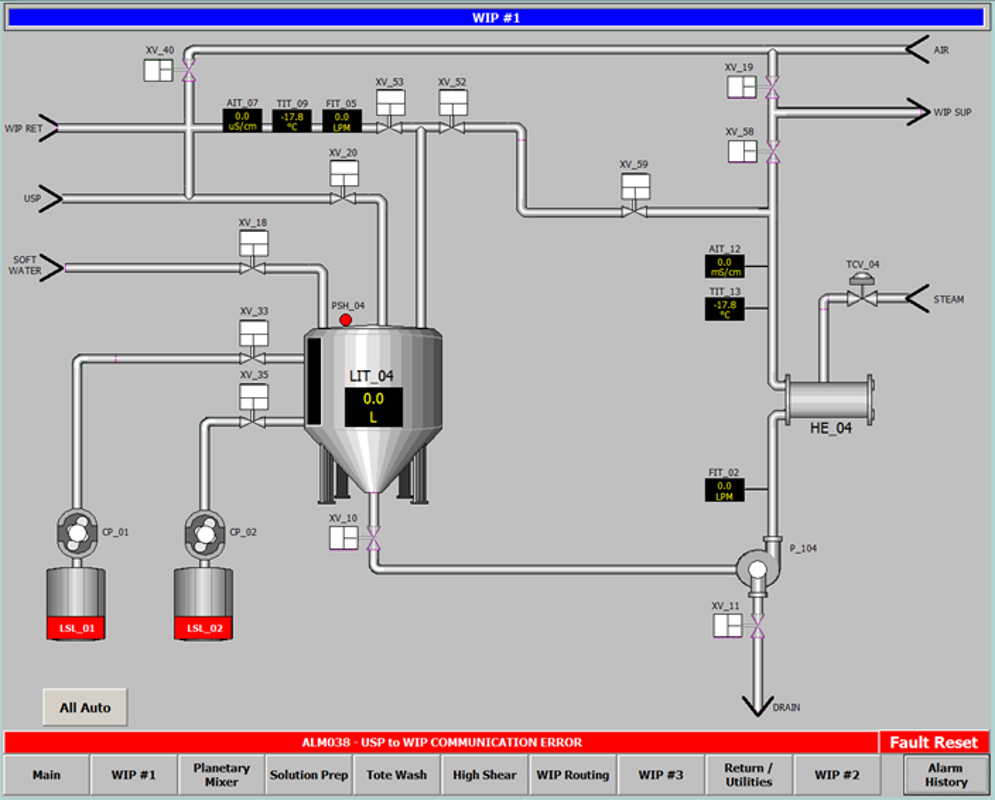
IPEC automation systems are developed for each specific process with local PLCs or distributed I/O to allow remote operation via supervisory controllers. Local record-keeping/reporting functionality is available for regulatory compliance.